
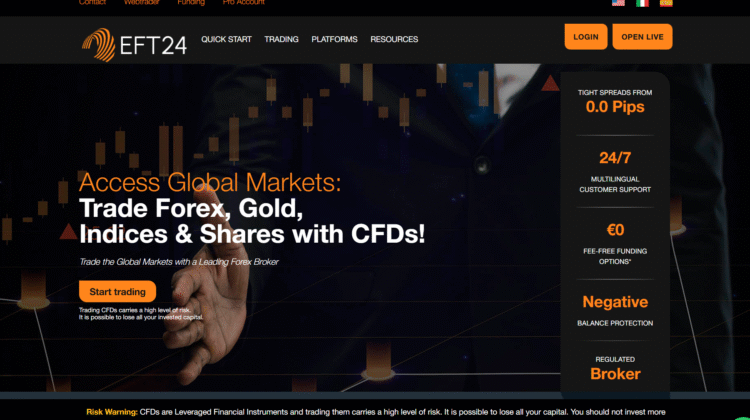
EFT24.com Review — Exposed Fraudulent Platform
Introduction
When you type a trading- or payments-platform EFT24.com name into Google hoping for reassurance — clear licensing, independent audit statements, easy withdrawals — and instead find a patchwork of angry reviews, frozen-account stories, and offshore company names, alarm bells should be ringing. That’s the pattern hundreds of people have reported around brands using the “EFT” and “24” naming combination. Below I lay out the recurring problems people run into with platforms marketed as (and closely named clones): how the scheme works, the red flags to watch for, and concrete recovery and safety warnings you must read before you act.
What users are complaining about
Across multiple review sites and consumer threads, a consistent storyline emerges:
-
New users are aggressively recruited through cold calls, social media ads, or Telegram/WhatsApp groups promising easy returns and “insider” trading strategies. After a friendly onboarding, the platform pushes deposits and larger transfers. Reviews and complaint threads repeatedly mention this high-pressure outreach.
-
Deposits are accepted without issue, but the first sign of trouble is withdrawals. Users report delays, requests for additional “verification” money, or outright blocked withdrawal attempts. Several reviewers describe accounts that show profits on-screen but refuse to release funds.
-
Customer support is evasive, changes contact details, or disappears. Accounts and web pages have been reported as taken down or replaced, while support emails bounce. This pattern — appearing legitimate, then vanishing when users ask for cash — is classic for investment and trading scams.
-
Confusing legal/registration details. The business may list shell company names or offshore addresses that are difficult or impossible to verify. Absence of clear, reputable financial regulation is a repeated theme in the analysis of similarly named brokers.
Those are the broad strokes. Individually, reports vary — but when a dozen independent reviewers tell roughly the same story, it’s a strong signal: proceed with extreme caution.
How the scam mechanics typically work
Understanding the playbook helps you spot it earlier:
-
Attractive hook — flashy performance screenshots, “limited time” VIP offers, or promising large leverage and bonuses to entice deposits.
-
Easy first win — platforms often let small withdrawal or show simulated gains to build trust. Once you up the stakes, the friction appears.
-
Verification & extortion cycle — the platform requests extra “AML/verification fees,” tax withholdings, or third-party wire routing to release funds. These are delays with the intent of extracting more money.
-
Account freeze + vanish — withdrawal requests are denied, access to the trading interface is suspended, or the site goes offline. Support disappears, and recovery becomes difficult.
This schematic matches the complaints raised across multiple review aggregators and scam-report pages.
Red flags to look for
-
No or dubious regulation claimed. Legitimate brokers list verifiable registration numbers and regulators. If you can’t confirm it on a financial regulator’s website, walk away.
-
Aggressive cold outreach or pressure to “act now.” Scams push urgency.
-
Requests for non-standard payment methods (gift cards, cryptocurrency, third-party accounts). Those are classic money-laundering vectors.
-
Complex or changing withdrawal rules — “verification fees,” internal escrow fees, or sudden paperwork requests after you ask to withdraw.
-
Too-good-to-be-true returns with no clear risk disclosure. If the math looks impossible, it probably is.
-
Multiple similar brand names and copycat websites circulating across review sites and forums. Duplicate brand footprints are a common scam tactic.
If you suspect you’ve been scammed — immediate steps
-
Stop further payments. Don’t send any more money, and do not pay anyone who promises “guaranteed recoveries.” Recovery-fee schemes are a second scam.
-
Document everything. Save screenshots, emails, chat logs, transaction receipts, and the exact URLs you used. This evidence is essential for bankers and regulators.
-
Contact your bank or payment provider immediately. Ask to reverse or recall transfers where possible and to flag suspicious merchants. Timeliness increases the chance of recovery.
-
Report to local law enforcement and file a complaint with national financial regulators or consumer protection bodies. Provide the documentation you collected.
-
Report the platform to review and reporting sites. Post on consumer review sites and scam-report sites to warn others — but avoid posting personal financial details.
How to protect others — a short checklist you can share
-
Verify the regulator and registration number on an official regulator website before depositing.
-
Search the exact company name plus “review,” “complaint,” or “scam” — many fraud victims share their stories online. If multiple independent complaints exist, treat them as a warning sign.
-
Use traceable payment methods (bank transfers with reference numbers are better than gift cards or crypto for dispute chances).
-
Start small with any new platform — withdraw the first small amount before committing more. If withdrawals fail, stop.
-
Keep an eye out for duplicate brand names and similar domains; many scammers spawn clones quickly.
Final thoughts
Platforms employing the “EFT24.com” or similar branding have generated a cluster of complaints and investigative write-ups. While not every company using “EFT” or “24” is fraudulent, the repeated patterns — offshore registrations that are hard to verify, frozen withdrawals, disappearing support, and follow-up recovery-scam solicitations — match well-known fraud playbooks. Consumer vigilance, rapid documentation, and refusing recovery-fee trap offers are the best defenses.
If you want, I can help you draft a concise report to your bank or a template complaint to file with your local regulator — or summarize the exact evidence you have into a clear timeline for authorities. (If you choose that, paste the facts and I’ll format them for submission.) But above all: stop further payments, document everything, and treat any “recovery” outreach with extreme suspicion.
Conclusion: Report EFT24.com Scam to AZCANELIMITED.COM?
Based on all available data and warning signs, EFT24.com raises multiple red flags that strongly suggest it may be a scam. From its unregulated status to its anonymous ownership and unrealistic promises, this platform lacks the transparency and trustworthiness expected from a legitimate financial service provider.
REPORT THIS PLATFORM TO AZCANELIMITED.COM
If you’re thinking of investing through EFT24.com , extreme caution is advised.
