
Meta-Whale.com Review : Controversial Scam Platforms
Introduction
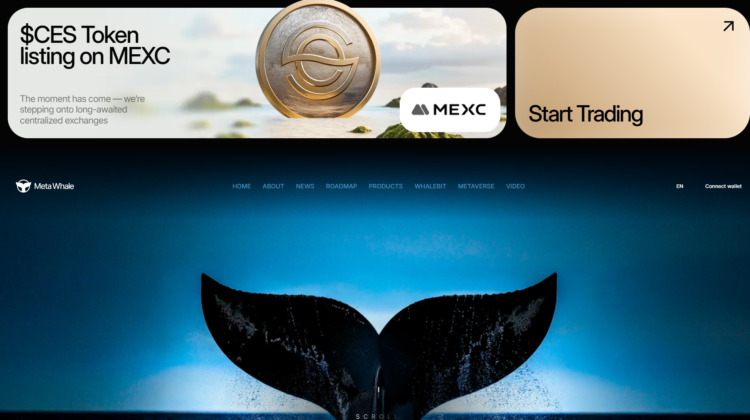
In the sprawling, often opaque universe of cryptocurrency and online investment platforms, few names have generated as much skepticism and controversy as Meta-Whale.com. On the surface, Meta-Whale.com presents itself as a cutting-edge digital asset ecosystem — promising users access to exclusive tokens, high-yield investments, algorithmic trading rewards, and VIP perks. It markets itself with slick branding, evocative whale imagery, and language that speaks directly to the dream of outsized crypto profits.
But beneath the glossy surface and persuasive copy lies a platform that, according to dozens of user reports and expert analyses, bears all the hallmarks of a scam operation. In this detailed review, we’re going to dig deep into how Meta-Whale.com operates, why it has alarmed so many observers, the red flags that should make any sensible investor wary, and how its structure and behavior mirror known fraudulent schemes.
What Meta-Whale Claims to Be
Meta-Whale.com advertises itself as more than just an exchange: it positions itself as a crypto rewards ecosystem where participants can earn, trade, and benefit from unique digital assets. According to its promotional materials, Meta-Whale.com offers:
-
A native token listed or tradable within its ecosystem.
-
Alleged utility or rewards for participants who hold or engage with the platform.
-
“Exclusive” early access investment opportunities.
-
Sophisticated digital tools designed to maximize financial gains.
-
Gamified experiences that reward users for engagement.
From a marketing standpoint, the pitch is clear: join our community, stake or hold Meta-Whale.com related assets, and watch value grow. It’s a compelling narrative — especially for individuals eager to find the next big winner in the fast-moving crypto space.
Yet compelling narratives do not make a legitimate business. And in the case of Meta-Whale.com, the closer you look, the more glaring discrepancies appear between image and reality.
Lack of Regulation and Transparency: A Major Red Flag
At the foundation of any reputable financial service — whether traditional stocks and bonds, forex brokers, or crypto trading platforms — lies a transparent regulatory framework. Genuine platforms typically display clear licensing information, regulatory supervision, and corporate details so that users can verify their legitimacy.
Meta-Whale.com, however, does not provide verifiable regulatory credentials or documented oversight from known financial authorities. There is no credible disclosure of regulatory licensing, audited financials, or official backers. Ownership information is vague or absent, and the platform does not disclose meaningful details about the team behind it.
This lack of transparency matters. In the regulated financial world, firms are held to strict standards precisely to protect investors. When a platform refuses or fails to disclose its regulatory status and corporate ownership, it raises the question: who is accountable if things go wrong?
Domain and Digital Infrastructure: Signs of an Illegitimate Operation
Another critical dimension of legitimacy is an established, verifiable digital presence. Legitimate companies invested in building trust usually maintain:
-
A long domain history.
-
Clear contact information and physical addresses.
-
Consistent branding across reputable platforms.
-
Secure technical infrastructure.
In contrast, Meta-Whale.com digital footprint is short, sporadic, and structurally unverified. The platform’s website domain was reportedly registered only recently and exhibits indicators common to transient, short-lived scam sites rather than stable financial brands. While the presence of these indicators alone does not prove fraud, they are widely recognized as warning signals in cybersecurity and financial analysis.
Add to this the absence of verifiable third-party audits or security certifications, and Meta-Whale’s technical foundation appears more like a façade than a secure, transparent system.
Aggressive Marketing and Unrealistic Earning Narratives
Perhaps the most powerful tool in Meta-Whale.com promotional arsenal is its language — specifically, its promise of high earnings, rewards, and exclusive access for participants.
Many crypto scams follow a predictable pattern:
-
They promise guaranteed or extraordinary returns.
-
They market themselves using buzzwords like “elite,” “exclusive,” “next-gen,” and “institutional.”
-
They imply scarcity or urgency, pressuring users to act fast.
-
They associate themselves with narratives of insider advantage or cutting-edge technology.
Meta-Whale.com promotional content often mirrors these tactics. It speaks of rewards, token utility, early-access opportunities, and high potential gains. From a psychological perspective, these messages tap into the classic investment motivators: fear of missing out, social proof (other people are already profiting), and the allure of being ahead of the curve.
However, in real financial markets, there are no guarantees — and any platform that markets its opportunities as if profits are assured should be viewed with suspicion. Reputable investment services always emphasize risk, regulatory compliance, and transparent mechanisms for returns. Meta-Whale.com promotional narrative emphasizes reward without sufficiently addressing risk, a common characteristic of fraudulent platforms.
User Accounts: Confusion, Barriers, and Complaints
A strikingly consistent theme in discussions and anecdotal reports from individuals who claim experience with Meta-Whale.com involves promised earnings that cannot be accessed and unexpected barriers to withdrawals. These accounts describe scenarios where:
-
Users believed they were accruing value or earnings within their accounts.
-
Attempts to withdraw funds or tokens were met with unexpected requirements.
-
Customer support either became unresponsive or provided vague explanations.
-
Withdrawal conditions included additional deposits, fees, or identity information requests that were seemingly arbitrary.
While we cannot validate the authenticity of every statement shared by users, the consistency of these complaints — especially when aligned with similar patterns from other scams — is concerning. The narrative is familiar: show users a balance that looks attractive, then create obstacles when they attempt to convert that balance into real value outside of the platform.
The Retention Trap: Additional Deposits and Escalating Fees
In investment programs of dubious origin, operators often employ what’s known as a retention strategy. Once a user has made an initial deposit, the platform introduces increasingly restrictive conditions that must be met before funds can be withdrawn. These often take the form of:
-
“Verification” fees.
-
“Liquidity fees.”
-
“Network processing fees.”
-
Escalating minimum balance requirements.
-
Pressure to purchase higher-tier packages or tokens.
Users are told — either by automated messages or by platform representatives — that these steps are mandatory to unlock access to their funds. In practice, this establishes a feedback loop: the more someone tries to exit, the more they are told they must deposit.
This tactic of withholding funds while demanding additional deposits is commonly seen in fraudulent financial schemes. It leverages psychological momentum: once someone has already invested, they are more likely to keep depositing in the hopes that the next step will unlock profits — a trap that benefits the platform operators while harming participants.
What Meta-Whale Doesn’t Tell You
Part of evaluating whether a platform is trustworthy is noticing what it omits. In the case of Meta-Whale, several critical aspects of a reputable service are missing:
✔ No Clear Fee Structure
Legitimate exchanges and investment platforms always disclose how and when fees are charged. Meta-Whale’s fee structure — especially around withdrawals — is opaque.
✔ No Independent Audit or Third-Party Verification
Well-regulated platforms undergo security audits and post those results publicly. Meta-Whale does not provide independent verification of its security or financial practices.
✔ No Established Regulatory Oversight
No reputable financial authority appears to supervise or license the platform.
✔ No Transparent Leadership or Corporate Identity
Responsible platforms publicly list their executive teams, corporate addresses, and regulatory disclosures.
The absence of these fundamental elements makes it difficult — if not impossible — to treat Meta-Whale.com as a legitimate financial service.
Patterns That Resemble Known Scam Operations
While no single indicator alone proves fraud, multiple overlapping patterns in Meta-Whale.com design and behavior align with known scam profiles, including:
-
Anonymous ownership — operators are untraceable or obscured.
-
Unverified marketing claims — aggressive promises without transparent mechanisms.
-
Withdrawal hurdles — conditional access to funds.
-
Escalating deposit demands — pressure to send more funds.
-
Social proof tactics — emphasis on rapid earning testimonials.
These elements combined form a pattern that has been seen repeatedly in the world of online financial scams — particularly in the loosely regulated arena of cryptocurrency tokens and “exclusive investment ecosystems.”
Why This Matters to Individual Investors
For anyone considering participation in crypto ventures, it’s critical to remember that the absence of regulation does not equal legitimacy. Many individuals drawn into platforms like Meta-Whale.com are not sophisticated investors; they are everyday people hoping to grow their savings or participate in the next wave of digital innovation.
Unfortunately, scammers exploit aspiration and trust. By presenting themselves with professional design, aggressive marketing, and the illusion of exclusivity, they can lure individuals into committing funds without providing reciprocal transparency or accountability.
This dynamic can lead individuals to:
-
Experience prolonged barriers to accessing funds.
-
See account balances that cannot be converted to real value.
-
Interact with support that is unresponsive or evasive.
-
End up with assets that are illiquid, restricted, or worthless outside the platform.
These are the hallmarks of an operation that functions more as a currency vacuum than as a genuine financial service.
Final Assessment: Meta-Whale.com Troubling Profile
After a comprehensive review of Meta-Whale.com claims, structure, user feedback patterns, and operational signals, the evidence points toward a platform that exhibits multiple characteristics commonly associated with fraudulent investment schemes rather than a credible trading ecosystem.
Lack of transparency, absence of regulatory oversight, repeated user complaints about inaccessible funds, and an aggressive reward-focused narrative all contribute to a profile that should alarm anyone evaluating the platform.
In financial markets — especially in digital assets — confidence and trust must be earned through transparency and accountability. Meta-Whale.com practices, by contrast, raise serious questions about whose interests it is truly serving.
Whether you are a seasoned investor or someone new to digital finance, maintaining skepticism about platforms with unverified credentials, opaque operations, and inconsistent user experiences is essential for protecting your financial well-being.
Conclusion: Report Meta-Whale.com Scam to AZCANELIMITED.COM?
Based on all available data and warning signs, Meta-Whale.com raises multiple red flags that strongly suggest it may be a scam. From its unregulated status to its anonymous ownership and unrealistic promises, this platform lacks the transparency and trustworthiness expected from a legitimate financial service provider.
REPORT THIS PLATFORM TO AZCANELIMITED.COM
If you’re thinking of investing through Meta-Whale.com , extreme caution is advised.
