
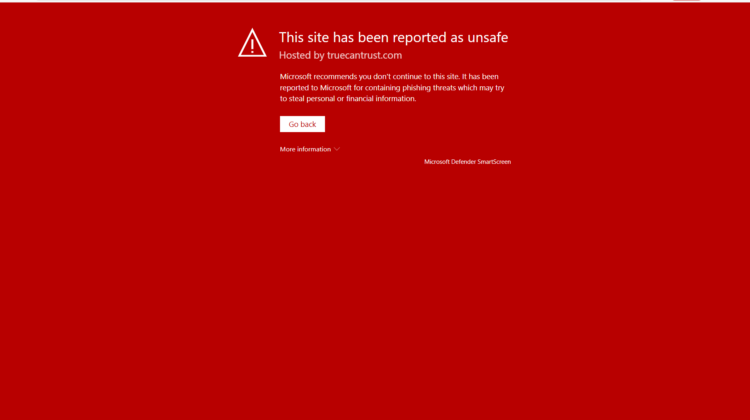
TrueCanTrust.com Review — Alleged scam platform
Introduction
Online financial schemes and shady marketplaces pop up every week. A name that’s been circulating recently is TrueCanTrust.com — presented by some as a high-return investment portal / verification service / marketplace (the platform’s exact pitch often changes). Because many people online have posted strikingly similar complaints about the service, it’s worth a careful, sober look. This article compiles consistent patterns, practical red flags, and steps you can take to verify or protect yourself.
What people are reporting — common patterns
When multiple users independently report the same behaviors from a platform, that pattern is meaningful even before legal findings appear. The recurring themes associated with TrueCanTrust.com that appear across complaint threads and user anecdotes can be grouped as follows:
1. Aggressive promises with unrealistic returns.
Multiple accounts describe marketing materials that guarantee unusually high returns in short windows — returns that are rarely, if ever, sustainable. Promises framed as “guaranteed profit” or “risk-free high yield” are classic manipulation tactics to pressure quick sign-ups.
2. Limited / disappearing contact channels.
People report that after signup the platform’s phone numbers, live chat, or email addresses either respond slowly or vanish entirely. In legitimate services, support channels remain open and responsive; disappearing support is a major concern.
3. Fees that appear only at withdrawal.
Several complaints describe surprise fees or verification requirements triggered at the point of withdrawal — sudden “processing,” “tax,” or “compliance” fees that did not appear during signup. Scammers often let users deposit easily but obstruct withdrawals.
4. Fake trust signals.
Screenshots shared by complainants show “certificates,” partner logos, or fabricated endorsements. Fraudsters sometimes display forged seals of regulatory approval or fake testimonials to build credibility quickly.
5. Requests for extra personal information or nonstandard payment methods.
Users say TrueCanTrust.com requested sensitive identity documents, remote-access software installations, or transfers through untraceable channels (gift cards, crypto sent to personal wallets) — all of which are red flags for misuse or identity theft.
6. Accounts blocked or locked with vague reasons.
Some users report being prevented from accessing funds, with the platform citing nebulous “security checks” or “policy violations” and then demanding additional payments to lift holds.
Technology and behavior that should make you suspicious
Even if you haven’t read user complaints, the following characteristics are objective warning signs that a platform may be problematic:
-
No verifiable registration or company address. Legitimate financial platforms typically publish corporate registration details, physical headquarters, and regulatory filings you can confirm.
-
No independent third-party reviews. If all “reviews” are on the platform itself or come from suspiciously similar accounts, that’s not independent validation.
-
No published team or verifiable leadership. Real companies often have LinkedIn profiles, biographies, or verifiable public records for founders and executives.
-
Poorly written website copy and broken pages. Sloppy grammar, broken links, or inconsistent branding can indicate a hastily assembled scam site.
-
High-pressure urgency tactics. Phrases like “limited time, only for first 100 users” or “act now or miss the bonus” aim to shut down rational checking.
-
Unclear or shifting business model. If the platform’s description of how it earns money is vague or changes frequently, that’s suspicious.
Red flags specific to user-reported TrueCanTrust.com behavior
Putting the generic warning signs above together with patterns reported by multiple users, here are the specific issues to watch for with TrueCanTrust.com :
-
Withdrawal walls: Funds can be deposited easily, but withdrawing triggers a maze of forms, extra fees, or long “verifications.”
-
Document harvesting without clear purpose: Requests for scans of IDs and bank statements beyond usual KYC — especially when combined with pressure to upload them quickly.
-
Shifting website identity: The site sometimes rebrands or uses slightly different domain names and logos, which is consistent with actors trying to escape negative attention.
-
Push to non-traceable payments: Encouraging transfers via nonstandard channels or personal crypto wallets rather than through reputable payment processors.
-
Fake proof of traction: Fabricated screenshots or “customer success” images that, on closer inspection, reuse stock photos or recycled testimonials.
How to check a site like TrueCanTrust.com
If you or someone you know is dealing with a platform that looks suspicious, here are practical checks you can perform immediately:
-
Search for independent reviews and complaints. Look outside the site: consumer forums, financial watchdogs, and official registries. Multiple independent complaints increase credibility of the allegations.
-
Verify corporate registration. Search your country’s company registry or regulator for the business name and registration number.
-
Confirm payment flows. Genuine platforms use traceable payment processors or reputable banks. Be wary if told to send crypto to individual wallets or to pay via gift cards.
-
Check domain age and redirects. Newly registered domains or frequent redirects to different URLs are suspicious.
-
Test support responsiveness. Send a straightforward inquiry and time the response. Unhelpful, evasive, or absent customer service is a red flag.
-
Avoid sharing more than required. Standard identity verification is one thing; sharing social security numbers, account PINs, or giving remote-control access is unnecessary and dangerous.
-
Ask for regulatory proof. If the platform claims oversight, ask for a registration number and confirm it directly with the regulator.
If you’ve already interacted — what to do now
Rather than “recovery” advice (which can vary by jurisdiction and circumstance), here are safe protective actions people often take after interacting with suspicious platforms:
-
Immediately stop further payments and don’t comply with additional “verification” fees.
-
Change credentials (passwords, 2FA) for accounts that may be connected.
-
Monitor bank and card activity closely; notify your bank of suspicious transactions.
-
Freeze any cards or accounts you suspect were exposed and ask the institution about fraud protection.
-
Keep thorough records: screenshots, transaction IDs, copies of messages — these will be helpful for any formal complaints.
Why these patterns matter
Scammers rely on a few psychological levers: authority, scarcity, and reciprocity. They simulate trust (fake seals, testimonials), create urgency (“limited slots”), and often give small early gains to build confidence before stopping withdrawals or demanding more money. Structurally, many scams are built to maximize early deposits while making withdrawal painful or impossible.
Understanding these mechanics helps you see why a seemingly professional site can still be a scam: polish and style can be faked; the true test is consistent, independent verifiability and the ability to withdraw funds without new obstacles.
Bottom line
There are numerous, repeated complaints and patterns associated with platforms operating under names like TrueCanTrust.com that demand caution. While this article does not pronounce legal judgment, the combination of aggressive profit claims, disappearing support, withdrawal hurdles, and requests for risky payment methods forms a consistent set of red flags. If you’ve been approached by or already engaged with such a platform, treat progress cautiously, verify facts independently, and prioritize traceability of funds and protection of personal data.
Conclusion: Report TrueCanTrust.com Scam to AZCANELIMITED.COM?
Based on all available data and warning signs, TrueCanTrust.com raises multiple red flags that strongly suggest it may be a scam. From its unregulated status to its anonymous ownership and unrealistic promises, this platform lacks the transparency and trustworthiness expected from a legitimate financial service provider
REPORT THIS PLATFORM TO AZCANELIMITED.COM
If you’re thinking of investing through TrueCanTrust.com , extreme caution is advised.
